Field Visit Reflections: REI‑Supported Refugee Initiatives
April 28, 2026
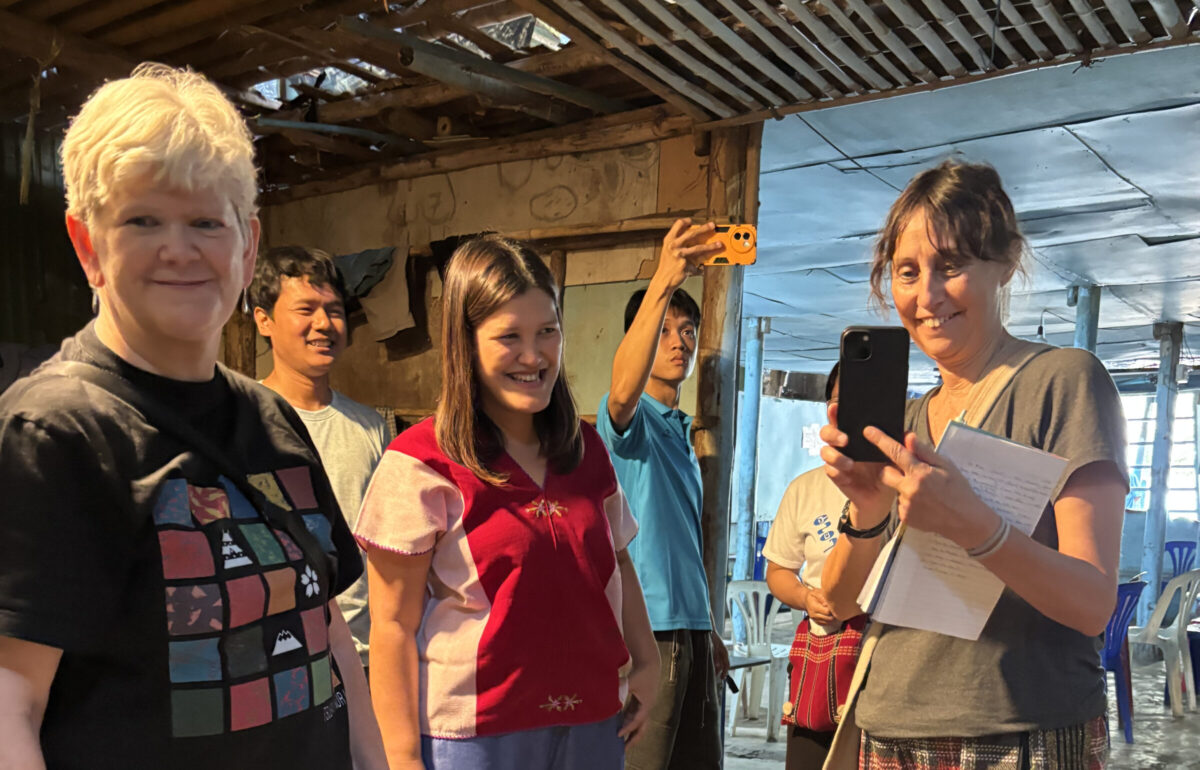
- Before joining the REI field visit to the Thai–Myanmar border in March 2026, I believed I understood the context from a distance: the funding constraints, political complexity, and the fragility of life in displacement.
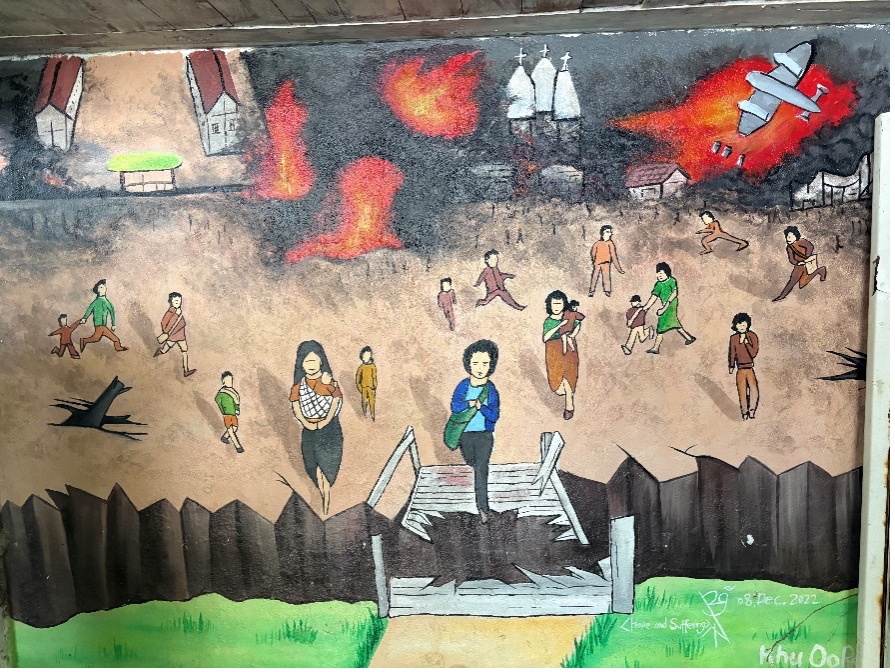
- But being there—walking through the camps, speaking directly with people, and witnessing both hardship and strength—was profoundly different. The experience was emotional, unsettling, inspiring and energising all at once.
What Stayed With Me
Three impressions have remained particularly vivid:
- The fierce dignity of people preserving their identity through culture
- The courage of young people determined to lead
- The quiet resilience of those rebuilding their lives after addiction
Karenni Social Development Centre (KSDC), Mae Hong Son
Our first visit was to the Karenni Social Development Centre (KSDC), founded in 2002. What struck me most was the students’ determination. Their commitment to learning was palpable. Every student I spoke to cited “rule of law” as their favourite subject. One young woman, Timo, asked me earnestly how the rule of law works in my country—how justice is upheld in practice. Her curiosity was not abstract; it reflected a lived absence of fairness and accountability.
With REI support, KSDC has trained around 750 human rights and environmental advocates. This year, 86 students are enrolled, with women now in the majority—reflecting the reality that many men are fighting, displaced or unaccounted for.
- The students performed traditional Karenni and ethnic minority dances for us, wearing vibrant woven dress. It was joyful, but deeply poignant. Even in exile, their identity endures—quietly, proudly, and with resolve.
Karen Women’s Organisation (KWO), Mae Sariang
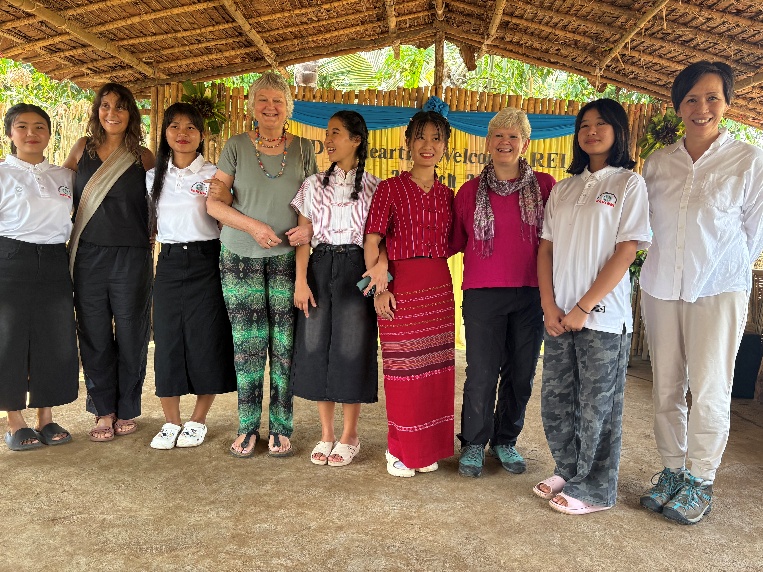
We then visited the Karen Women’s Organisation (KWO), led by women whose commitment to their community is unwavering. Their leader, K’nyaw Paw, chose to remain and lead despite having the opportunity to relocate to the United States.
KWO’s maternal and baby kit project, supported by REI, delivered 965 kits across seven districts inside Myanmar last year, as well as in the camps. Each kit contains simple but essential items—cloth nappies, soap, detergent, nail clippers—whose importance becomes stark in conditions of scarcity.
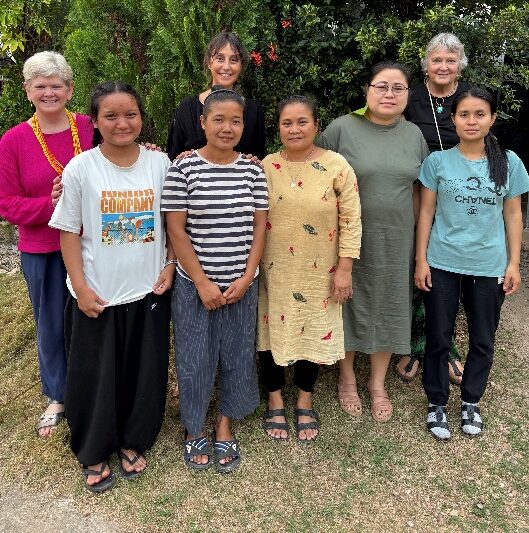
- What impressed me most was the system behind the kits: trained facilitators in each district delivering hygiene and infant‑care sessions, often to both parents.
Delivering this support is becoming increasingly dangerous. Travel is risky, fuel prices are high, and staff regularly put themselves in harm’s way. Seeing photographs of new mothers and families reminded me how misleading the term “small interventions” can be. In this context, these interventions are life‑saving.
Drug Addiction Rehabilitation Centre (DARE), Mae La Camp
Our final visit was to the drug and alcohol rehabilitation centre in Mae La camp. Addiction here exists within trauma, displacement and exploitation. I learned that Myanmar soldiers sometimes distribute drugs disguised as sweets to entrap people—a chilling tactic.
- The centre is modest but purposeful. Many staff are former clients. The current treatment director, Ah Lay, completed rehabilitation twice, relapsed, and returned—now leading the programme.
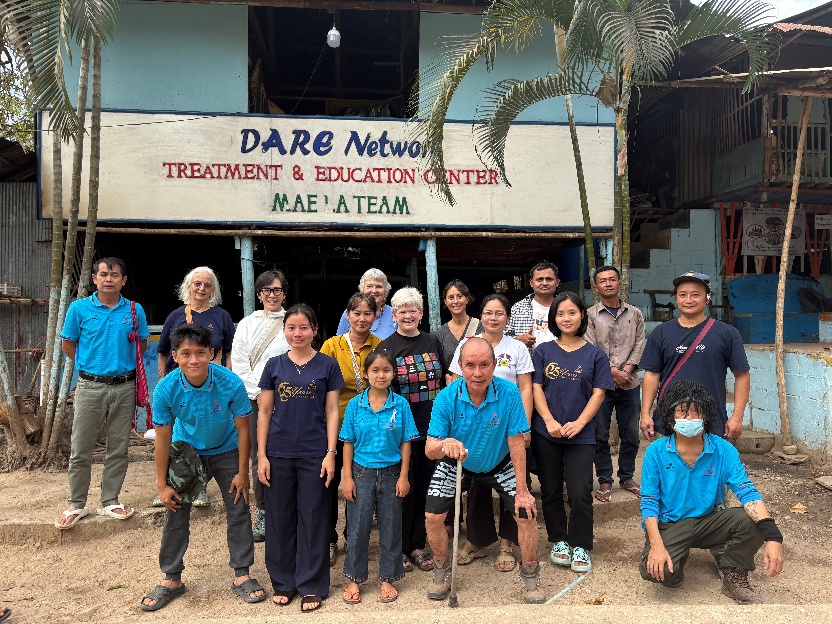
Volunteers like Saw Green, who survived severe alcohol addiction after four rehabilitation cycles, now dedicate themselves to supporting others. Among current clients was a family with their nine‑year‑old son, all struggling with addiction.
Despite displacement, the camp functions as a structured society, with its own education and justice systems. Yet fear is constant. Several students have been killed or arrested by the junta. Others cross the border to gather data for UN agencies, aware of the risks. Their courage is extraordinary.
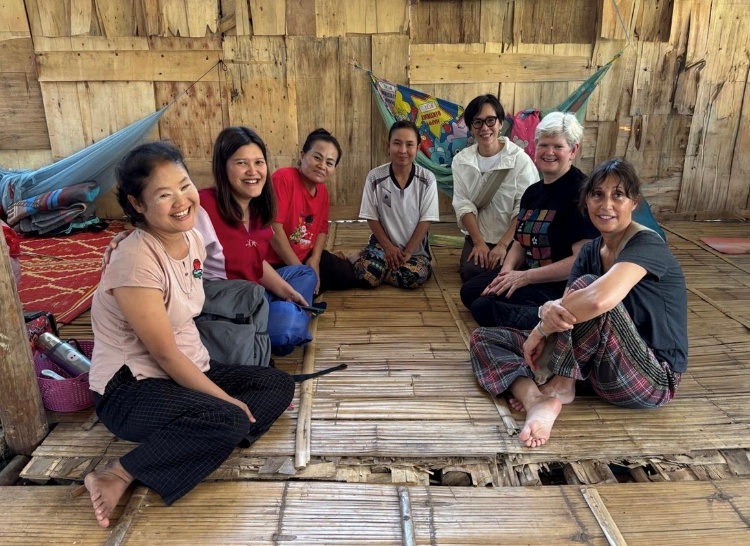
- One of the most emotional moments came while sitting on the bamboo floor in the women’s quarters at DARE.
Three women shared their stories—one holding her young son, another describing how domestic violence led her to alcohol, and a third raising six children while addicted to methamphetamines. They spoke with honesty, gratitude, and hope. “The care and treatment we receive gives us another chance to live again,” they told me. Despite everything, they smiled.
Reflections on Impact
This is the multiplier effect of REI’s approach: individuals who heal support others; mothers pass knowledge to families; students become leaders and advocates. Yet the structural challenges are immense—poor sanitation, rising maternal mortality, unpaid teachers, restrictive labour rules, statelessness, shrinking funding, and limited access to food for new arrivals. And still, people endure.
What stayed with me most was dignity. The determination to keep learning, nurturing, recovering, and helping others—even when the odds are stacked against them. As one person told me, “The situation is powerless, but that doesn’t mean we shouldn’t do what we can.”
Closing Reflection
This visit was both heartbreaking and inspiring. Myanmar’s civil war has slipped from the headlines, but displacement and hardship persist. And yet—students keep studying; mothers keep caring; people in recovery keep choosing to support others. I saw clearly how REI enables agency, dignity and hope. Much more needs to be done—greater awareness, sustained funding, and long‑term commitment—but this work matters profoundly. Even in exile, there is community; even in scarcity, there is choice.
Marie-Claire Joyce